
How Broadcasters Can Bring Linear TV to Streaming
Extend scheduled channels to connected screens with a considered operational plan.
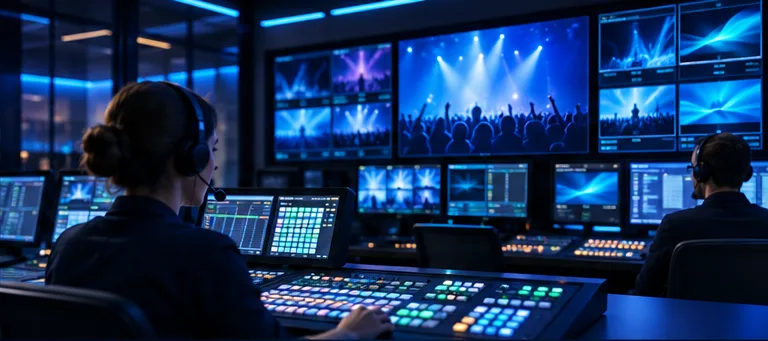
Audit the channel and its rights
List feeds, territories, program rights, captions, blackout rules, and existing ad obligations. Streaming rights may differ from broadcast rights, so validate each program and prepare alternate content for restricted windows.
Review rights and channel operations
Create an inventory of sources, programs, captions, advertising commitments, and distribution territories. A program cleared for one broadcast outlet may have different digital or replay rights. Document blackout rules and prepare an approved replacement for restricted programming.
Include the teams responsible for scheduling, legal, engineering, and customer support. Identify who can approve a late schedule change and how that change reaches every guide and playback destination.
Connect the feed to digital delivery
Map the live feed through contribution, encoding, packaging, and delivery to each target device. Choose monitoring points at the source and at viewer playback, and agree on the steps for a lost signal. Rehearse a failover before the service carries important programming.
Electronic program guide data needs the same care as the video feed. Verify start times, program descriptions, time zones, and the process for correcting late changes.
Add replay thoughtfully
Catch-up and time-shift features can make a schedule more useful, but require clear rights, recording capacity, metadata, and retention rules. Decide when a program appears, how long it remains available, and what happens when a live event runs over its slot.
Test the guide, player, captions, and access rules together on representative televisions and mobile devices. Review viewer reports and operational incidents after launch to prioritize improvements.
Related articles
OTT vs. IPTV vs. Traditional TV
Understand the delivery models and the questions to ask before choosing one.
Read article
How to Choose an OTT Platform in 2026
A practical checklist for selecting technology that fits your content, audience, and business model.
Read articleSVOD, AVOD, TVOD, and FAST Explained
Compare subscriptions, advertising, transactions, and free ad-supported channels.
Read article